WE ONLY CARRY THE FINEST TOP DOG K-9 LEATHER GEAR.At the new Canine Storewe will only sell high quality dog products. We pride ouselves in providing high quality products at an affordable price.
|
|
THANK YOU for stopping by and visiting.
About once a week or so I will write a pet related article or alerts about food recalls, new over the counter medication, proposed pet laws etc. The alerts and news items will be in the E-mail, most lengthy articles will be linked back to my web-site. If you would like to get an E-mail notification, I would appreciated very much if you would sign up and give me permission to E-mail you. Just send us a blank E-mail to
pet_articles@caninestore1.com
Pet Winter Safety Tips.
|
 |
|
With a little common sense and attention to detail, owners can help
pets stay out of harm's way all winter long.
The chill of winter and the bustle of the holiday season are upon us.
Although it's easy to get distracted by party preparations and gift
giving, we need to remember to look after our pets' needs, too. Nine
tips for keeping pets safe this winter
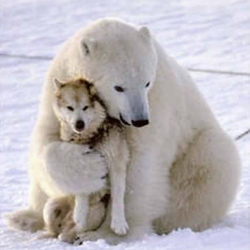
A season of giving.
Giving a pet as a gift is seldom a good idea. Instead, give loved ones
a gift certificate so they can make a thoughtful, responsible decision
after the holidays.
It's the most wonderful time.
Crowds and changes in routines can upset pets and increase their chance
of getting lost. Make sure pets are micro chipped and wear a collar and
tags at all times. Create a quiet place where pets can escape the chaos
of holiday celebrations.
The return of the fruitcake.
The No. 1 problem veterinarians see during the holidays is pets sick
from ingesting food they shouldn't have eaten. Keep pets away from
holiday food and ask guests not to slip them table scraps. Clear
kitchen counters and secure trash cans so pets cannot get into anything
dangerous.

Deck the halls.
Holiday decorations can pose serious hazards to curious pets. To
prevent accidents, anchor the Christmas tree on a flat surface. Cover
the tree stand so pets cannot drink stagnant water. Rub electrical
cords with powerful taste deterrents to prevent chewing. Rub fresh
lemon peel on the base of the tree to discourage cats from climbing.
Hang wooden or cloth ornaments that can be fastened with ribbons. Keep
potentially toxic poinsettias, mistletoe and holly berries out of pets' reach. Always supervise animals around fireplaces and space heaters.
Extinguish all candles when leaving the room.
To Grandmother's house we go.
Think it through before packing up Fido or Fluffy to visit out of town
relatives. Depending on their age, temperament and experience, some
pets may be happier staying home with a pet sitter or staying in a
boarding kennel.
Walking in a winter wonderland.
Keep dogs fit with frequent walks and play sessions, but don't keep
them out long if it's too cold, wet or windy. Most pets are less active
in the winter, so it's important to adjust food portions accordingly.
However, pets that spend a significant amount of time outdoors burn
more calories keeping warm, so they may need extra food.
Check the engine.
Pets and wildlife often curl up for warmth under car hoods, so take a
quick glance before starting up the car. And remember, antifreeze is
tasty but highly toxic to pets.
Baby, it's cold outside.
If dogs live outdoors all year long, they should have access to fresh
water and a draft free doghouse that's raised off the ground and
covered with a waterproof flap. Houses should be small enough to warm
with body heat, but large enough for that animal to stand and turn
around. Make sure bedding is always clean and dry and that the water
bowl does not ice over.
It came upon a midnight clear.
Prepare for potential emergencies and keep important phone numbers such
as an animal poison control hotline close at hand.(785-532-5679)
|
|
|